
Education improves outcomes. It doesn’t replace experience, inspection, or legal compliance.
Amphibians are not “forgiving” animals. They are often the opposite: sensitive to subtle shifts in moisture cycles, temperature gradients, ventilation, hygiene, handling stress, nutrition, and water quality. A keeper can do everything with good intent and still end up with mould, chronic stress behaviours, recurring illness, or slow failure over months. That is exactly why training matters.
In the UK, there is no single universal qualification you must hold to keep amphibians privately. But training can still be hugely valuable—especially if you are moving from decorative setups to biologically driven enclosures, scaling up the number of animals you keep, breeding, or building systems intended to run long-term with stability rather than constant resets.
Training is not a “ticket” to competence. It is a structured way to learn how systems behave, how animals respond, and how to observe early warning signs before a vivarium tips into instability. It’s also one of the cleanest ways to separate confident myths from proven fundamentals.
What good amphibian training typically covers
A strong fundamentals course will usually focus on the functions that make captive systems succeed:
- Species-led design: building around the animal’s natural needs rather than the keeper’s preferences.
- Stability over aesthetics: understanding what “healthy” looks like over time, not day one.
- Humidity versus air quality: moisture is not freshness; gas exchange and microclimates matter.
- Substrate and microbial function: how soil structure, aeration, and biology interact.
- Lighting fundamentals: separating visible light, heat, and UVB as distinct functions.
- Hygiene and biosecurity: preventing problems rather than reacting to outbreaks.
- Observation skills: behaviour, feeding, posture, use of space, and “quiet” indicators of stress.
Advanced and practitioner-style learning typically pushes further into decision making: what to adjust first, what not to touch, how to interpret conflicting signals (plants doing well while animals hide; humidity “correct” but condensation persistent; microfauna booming while the substrate turns sour), and how to intervene minimally without triggering repeated collapse.
What training cannot do (and why it matters to say it clearly)
Training cannot guarantee outcomes. It cannot guarantee a pass, approval, inspection result, licence, or professional status. It cannot override local authority discretion. It cannot replace practical experience or responsible long-term husbandry.
If a course claims to guarantee a licence or a “sure pass”, treat that as a red flag. Real animal care is situational. Inspectors assess reality, not certificates. Welfare is demonstrated in consistent practice, not in a PDF.
The real value of training is that it reduces preventable errors and improves the quality of your decisions over time. It moves you from “trying fixes” to understanding systems. And that matters whether you are a private keeper, breeder, educator, or anyone scaling up responsibility.
How to choose the right training level
A fundamentals course is ideal if you are early in the hobby, re-starting after failures, or moving into bioactive for the first time. An advanced course is best when you already have stable systems and want to understand optimisation, life-stage care, and higher-demand species. A practitioner-style approach is for people making repeated decisions across multiple systems—where judgement and observation matter more than copying layouts.
The key is humility: if fundamentals are shaky, advanced content becomes noise. If responsibility is increasing, fundamentals become non-negotiable.
Conclusion
Training is not a shortcut. It is a framework for responsible keeping. A well-trained keeper understands limits, recognises early warning signs, and can maintain stability with minimal, informed intervention. In amphibian care, that mindset is often the difference between systems that look good briefly and systems that stay healthy over time.
FAQs
Do I need a certificate to keep amphibians in the UK?
No single universal certificate is required for private keeping, but training can improve welfare outcomes and competence.
Does completing a course guarantee I’ll pass an inspection or get a licence?
No. Courses are education, not approval. Licensing and inspection outcomes depend on real-world practice and local authority assessment.
What’s the difference between fundamentals and advanced training?
Fundamentals builds the biological basics and stability thinking. Advanced training explores more complex interactions and long-term management.
Is “bioactive” the same as “hands-off”?
No. Bioactive means informed, minimal intervention—not neglect and not constant resets.
What’s the most important skill training should improve?
Observation. The earlier you spot instability, the smaller and safer your interventions can be.
Latest Blog Posts
Stay informed and inspired with our latest blog posts. Discover insights, tips, and trends across various topics.
-
Fundamentals vs Advanced vs Practitioner Training in Amphibian Care
Choose the level that matches your responsibility, not your ambition. Training levels are often marketed…
-
Animal Activities Licensing and Amphibians: What Training Helps You Understand
Education supports welfare and preparedness. It does not guarantee a licence outcome. If you keep…
-
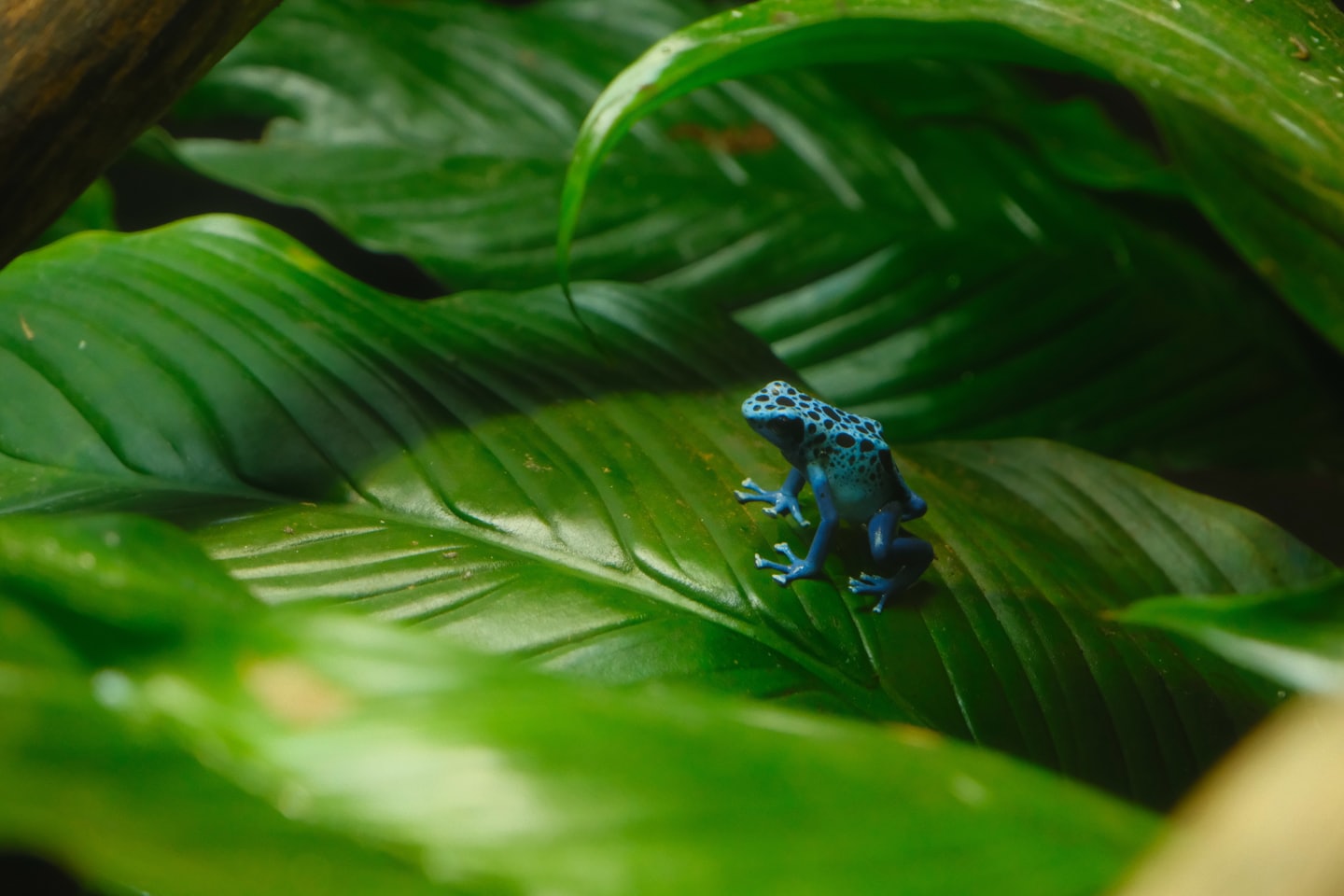
Training for Amphibian Keeping in the UK: What Education Can (and Can’t) Do
Education improves outcomes. It doesn’t replace experience, inspection, or legal compliance. Amphibians are not “forgiving”…
